The Rise of Freehold Food Factories: Inside Singapore's Tai Seng Hub Phenomenon
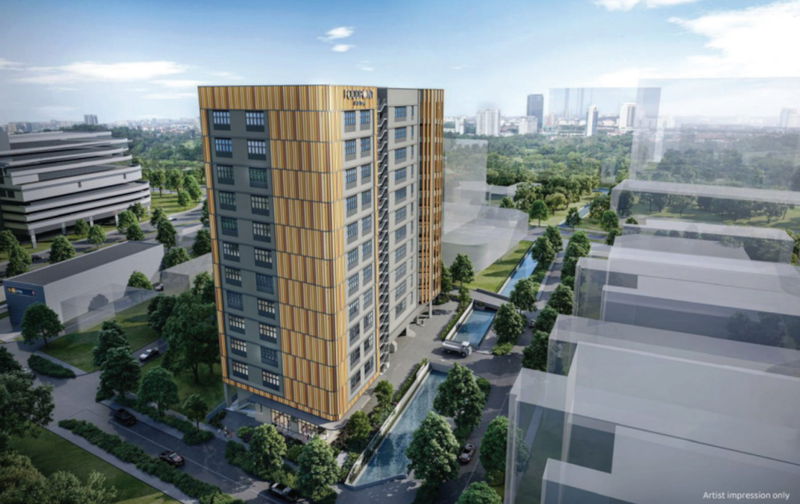
For a long time, Singapore's food factories were tucked away in far-flung corners of Tuas or Senoko, in ageing buildings with little thought for branding or logistics. That picture has changed completely in Tai Seng. Over the last five years, this industrial estate at the edge of the city has quietly transformed into the country's unofficial food street, and at the center of it is Tai Seng Hub at 50 Playfair Road.
Walk through the area on a weekday morning and you will see the shift firsthand. Delivery trucks from BreadTalk, Sakae Holdings and dozens of smaller artisanal brands line up along Playfair Road and Tai Seng Street. Upstairs, central kitchens run through the night. It is a far cry from the traditional image of a factory. Developers realized early that F&B operators wanted more than just four walls - they wanted a place close to town, close to talent, and close to the MRT, where staff could actually get to work.
Tai Seng Hub was one of the first to build specifically for that need. Instead of converting a standard warehouse, it was designed as a food factory from the foundation. That means higher ceilings to allow for cold storage, heavy floor loading for industrial mixers and ovens, and crucially, pre-approved exhaust and grease trap systems that meet the Singapore Food Agency's strict licensing requirements. Anyone who has tried to convert a normal B1 unit knows those approvals alone can take months and cost six figures.
What turned this practical building into a phenomenon is its freehold tenure. In a market saturated with 30 and 60-year leasehold industrial properties, a freehold food factory is almost unheard of today. For F&B owners who spent years renting, the idea of owning their production base forever, in a location their delivery riders can reach in 15 minutes from almost anywhere in central Singapore, was a powerful draw. It meant they could invest in expensive kitchen infrastructure without worrying about their lease running out.
That owner-occupier demand created a secondary effect. Investors started to pay attention. They saw that units at Tai Seng Hub Floor Plan were not sitting empty. They were occupied by stable tenants running real businesses with long-term SFA licenses, businesses that could not afford to move. In a year where residential cooling measures and office vacancies have made many investors cautious, that kind of sticky tenancy combined with freehold status has become extremely attractive.
Today, Tai Seng Hub is often cited by agents as a benchmark. It proved that food factories do not have to be low-value, back-end spaces. They can be city-fringe assets, legacy investments, and a critical piece of Singapore's food infrastructure all at once. And because the government is no longer releasing freehold industrial land, what happened at Tai Seng is unlikely to be repeated at scale.
Comments
No comments yet. Be the first to comment!